04 July 2022

shrinkflation

The Incredible Shrinking Man

Last year, I noticed General Mills' family-sized boxes of cereal went down from 19.3 ounces to 18.1 ounces. Hardly noticeable to most people but it means that the unit cost per ounce of the product has increased, but the average price remained about the same and it looks pretty much the same to consumers.

In 2003, I noticed that my Dannon yogurt was "cheaper" than other brands and then I realized that the containers shrank from 8 ounces to 6 ounces. These are examples of shrinkflation.

The news is full of stories lately about inflation, but shrinkflation is done to maintain a product’s price by shrinking its size or contents. A soda "quart" shrinks to 25.7 ounces. Who is counting that the candy bag that had 30 pieces now only has 26?

It's all about economics. Shrinkflation (AKA the grocery shrink ray, deflation or package downsizing) is not only shrinking products in size or quantity but even reformulating or reducing quality while usually maintaining prices.

In 2010, Kraft reduced its 200g Toblerone bar to 170g by putting larger gaps between the peaks
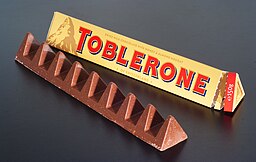
Toblerone 3362


Some coffees that were sold in 1lb (453.6g) bags shrank to 400g or smaller in the 1980s. It helps that Americans never have figured out the metric system so the grams measurement didn't register. Tetley tea bags started being sold in boxes of 88 instead of 100.

In candyland, Nestlé reduced its After Eight Mint Chocolate Thins box from 200g to 170g and the Cadbury's Crunchie was sold in packs of three instead of four.

This year Procter & Gamble reduced the number of double-ply sheets per roll from 264 to 244 sheets in the 18-count mega package. What does that add up to? It's approximately a roll and a half less in that mega-package.

This post originally appeared on my Weekends in Paradelle blog

30 June 2022

junket

The word "junket" was Merriam-Webster's Word of the Day recently and it is an interesting origin story. I associate the word with two things:. Now, I think of it as a promotional trip paid for by someone else (such as a press junket for a film by actors). As a child, I thought of it only as a dessert that my mother used to make. 

Junket goes back a long way. A long time ago a basket made of rushes (marsh plants used in weaving and basketwork) comes from the Latin word for "rush" which is juncus. It was used in English as a borrowed word in several forms finally becoming "junket." The word was used in English to name not just the plant and the baskets made from the plant, but also a type of cream cheese made in rush baskets. 

Going back to the 15th century, you can find the word associated with desserts ranging from curds and cream to sweet confections including the one my mom made that is still available.  

By the 16th century, junket had come to mean "banquet" or "feast" as well. 

Perhaps, some of those junket events came to include the journey to them and so the word broadened its usage to apply to pleasure outings or trips, whether or not the food was a part of it.

22 June 2022

Grandfather Clock

I'm sure you have seen a "grandfather clock." maybe your grandfather had one. My grandparents had a logically named mantle clock on their mantle. So why did this tall piece of furniture clock take on the name "grandfather?"

A grandfather clock (also known as a longcase clock, tall-case clock, grandfather's clock, or floor clock) is a tall, freestanding, weight-driven pendulum clock with the pendulum held inside the tower or waist of the case.

According to the Oxford English Dictionary, the origin of the name is a popular 1876 song "My Grandfather's Clock" which gave the common name "grandfather clock" being applied to the longcase clock. 

The song was composed by American songwriter Henry Clay Work who saw one in The George Hotel in Piercebridge, England. He was told that when the first owner of the clock died, the clock became inaccurate. When the second owner died, the clock stopped working altogether. The odd story inspired him to write the song.

Grandfather clocks are tall. Possibly as tall or taller than your grandfather. They are usually at least 1.9 meters (6 feet - 3 inches). Later, there were made clocks referred to as "grandmother" and "granddaughter" clocks, which are shorter in height.